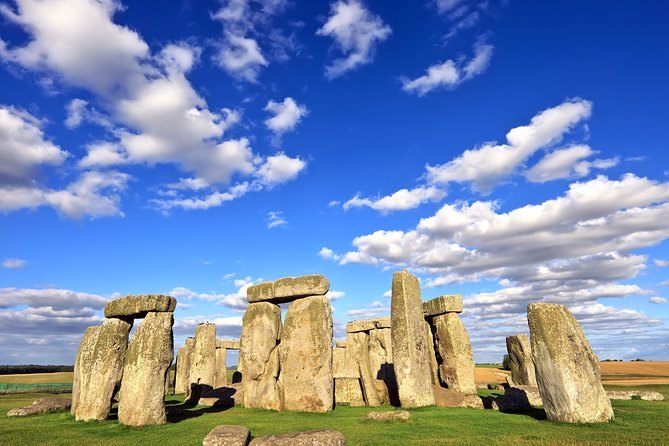
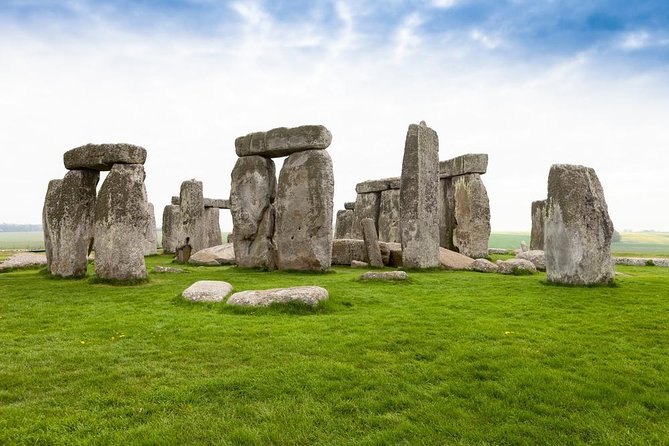
Stonehenge Alone or a Combo Tour: Which Is Worth It?
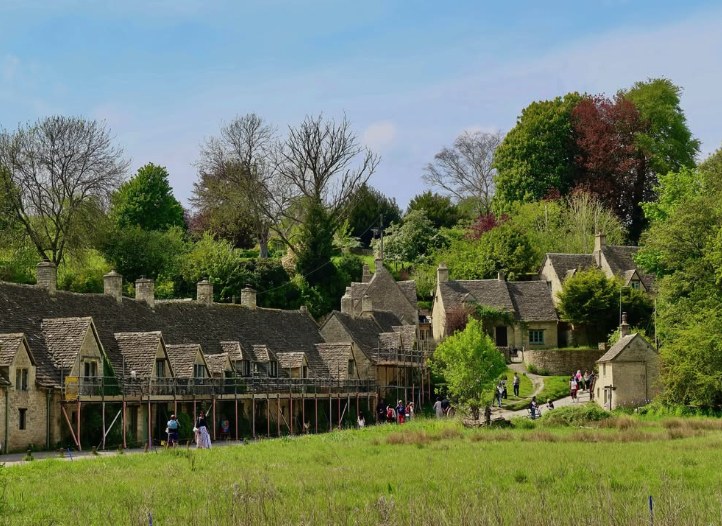
The short answer. A combined day is worth it when the second stop is somewhere you genuinely wanted to see anyway. It is not worth it when you booked it because it looked like more for the money — the extra hours go to Bath, Windsor or Oxford, not to the stones, and the monument drops from two hours to one.
What a combined day actually trades
Most departures from London bundle a second or third stop. The listings present that as added value, and for a lot of travellers it genuinely is. What none of them puts on the front of the page is what funds it.
A half-day runs six to six and a half hours and gives two hours at the monument. A two-stop full day runs ten and a half to eleven and gives ninety minutes. A three-stop day runs eleven and a half and gives one hour. The extra five hours buy a second landmark; they do not buy any more of the thing in the title.
| Shape of the day | Whole day | At the stones | What else | From |
|---|---|---|---|---|
| Half-day, stones only | 6–6.5 hours | 2 hours | Nothing — and back by early afternoon | From $84 |
| Two stops | 9–11 hours | 1.5 hours | Bath or Windsor, three to five hours | From $94 |
| Three stops | 11–12.5 hours | 1 hour | Windsor and Oxford, or Windsor and Bath | From $108 |
| Two circles | 10 hours | 2 hours | Avebury, two hours, free to walk into | From $134 |
| Inside the ring | 10.5–11 hours | 1–1.5 hours inside | Windsor, or Bath and Lacock | From $259 |
When the bundle is genuinely worth it
When you wanted Bath anyway. Bath is a complete Georgian city with a Roman spring at the centre of it, and it is two hours from London on its own. Pairing it with the monument saves you a second day out of the city, and the 4.7-rated day trip that does it has 5,209 reviews for a reason.
When you have one spare day and want breadth. Three landmarks in eleven hours is a lot of England for one fare. If the aim is to have seen Windsor, the stones and Oxford rather than to have spent time at any of them, the three-stop day does exactly what it says.
When the second stop is Avebury. This is the one bundle that adds rather than subtracts: two hours at each circle, and Avebury is the larger of the two, free to walk into and with a village inside it. Nothing is taken off the monument to pay for it.
💡 Did You Know? The cheapest departures from London are half-days, and they give more time at the monument than the full-day combinations do. Price and time on the field move independently — which is why sorting by price tells you almost nothing about which day you will enjoy.
When it is not worth it
When you booked it for the value. Eleven and a half hours for a few dollars more than a six-hour half-day looks like arithmetic in your favour. It is, if you want the other stops. If you do not, you have paid a day of your holiday for five hours on a coach.
When you are travelling with young children. Six hours door to door is manageable. Twelve and a half, with three coach legs, is a different proposition entirely.
When the stones are the whole point. If you have come to England partly to stand in front of this monument, an hour is not enough and you will know it while you are there.
The Windsor question
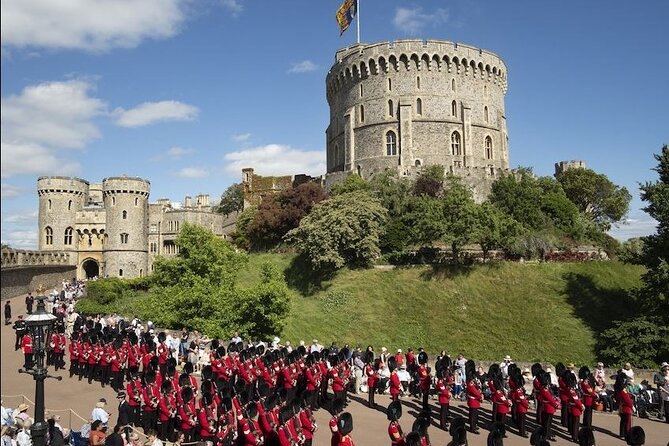
Windsor Castle deserves its own note, because it is the most commonly bundled second stop and the most conditional. It closes on Tuesdays and Wednesdays, and St George’s Chapel closes on Sundays. Several operators run a walking tour of the town instead on those days.
That is fine if you knew. It is a disappointment if you booked a castle and got a high street. Any combined day with Windsor in the title is worth checking the day of the week on before you pay.
How to decide
- Would you pay for the second stop on its own? If yes, bundle it. If no, you are buying coach hours.
- How many days do you have in London? Under five, and a half-day protects an afternoon you will want back.
- Is the monument the point, or one of several? The honest answer decides between two hours and one.
✅ Useful Tip. Every departure states its time at the monument, and every one refunds in full up to 24 hours before you travel. Book the shape of day you want now and change it if your plans move — the free cancellation window is real on all of them.
What each second stop is actually like
Bath. A complete Georgian city built in honey-coloured stone, with a Roman bathing complex still fed by Britain’s only hot spring at the centre of it. The Roman Baths, the Abbey, the Royal Crescent and Pulteney Bridge sit within a twenty-minute walk of each other. Combined days give it three to five hours, which is enough to do it justice.
Windsor. The oldest continuously occupied castle in Europe, with St George’s Chapel inside the grounds. Combined days give it two to three hours, and entry is almost always a separate option. The closures on Tuesdays and Wednesdays are the thing to check.
Oxford. A walking tour of the university buildings, usually forty-five minutes, plus free time. It is the shortest of the three stops on every three-stop day, typically an hour and a quarter, and it is the one travellers most often say they wished was longer.
Avebury. The outlier, and the only bundle that costs the monument nothing. Two hours at each circle, and Avebury is the larger of the two with a village inside it and no rope at all. The rest of the World Heritage landscape is mapped here.
What the reviews say about pacing
Read enough traveller feedback on the three-stop days and one note recurs: it is a lot for one day, and the stops feel short. Read the half-day feedback and the recurring note is the opposite — two hours turns out to be exactly right, and people are surprised by that.
Neither is a complaint about the tours. They are travellers discovering, after the fact, which shape of day they actually wanted. The feedback is grouped by departure type here, which makes the pattern easy to see before you book rather than after.
The short answer, restated
Bundle it when the second stop is a place you wanted to see. Take the half-day when the stones are what you came for. And if you cannot decide between the two, look at the Stonehenge tour comparison table and sort your thinking by the one column that matters: how long you get on the field.
Still weighing it up? The hours and ticketing page covers what a visit involves either way, the questions page handles the practical detail, and the access page covers the one option that is not a bundle at all.
Made up your mind? Every Stonehenge tour from London is listed with its own time at the monument, or read the first-timer’s guide before you choose.
The stones alone, or the stones and everything else
One departure from each side of the argument above.