The Best Time to Visit Stonehenge From London
Two opening seasons, one closing day a year, and a plain with no shade on it. This guide sets out the year as it behaves at the monument — which months reward the journey, which hour of the day to aim for, and how far ahead to book each season.
In this guide
When is the best time to visit Stonehenge?
Late April to early June, or the second half of September. Both sit inside the long opening season, both give you light that lasts, and neither carries the coach volume of July and August.
The worst month is not the coldest one. It is whichever month you visit in a hurry, arriving on the last shuttle of a winter afternoon with forty minutes before the field closes. Timing the hour matters as much here as timing the month.
What follows is the year as it behaves on Salisbury Plain: the two opening seasons, the crowd pattern, the light, and the departures that stop running when the clocks change.
The two opening seasons, and the hour they cost you
English Heritage runs a summer timetable and a winter one, and the switch is abrupt.
| Season | Open | Close | Last entry |
|---|---|---|---|
| 28 March – 6 September | 9:30am | 6:00pm | 4:00pm |
| 7 September – 19 March | 9:30am | 5:00pm | 3:00pm |
| 25 December | Closed — the only day of the year | ||
Last entry is two hours before closing, and the monument field itself shuts thirty minutes before the visitor centre does.
Two dates are worth writing down. If you are choosing between departures either side of 6 September, take the earlier one: the winter timetable closes an hour sooner and pulls last entry back to three in the afternoon. And solstice opening is set separately each year, so it does not follow either row above.
Month by month
| Month | Opening season | Crowds | On the plain | For photographs | Book ahead |
|---|---|---|---|---|---|
| January | Winter, closes 5pm | Lightest of the year | Cold, and the wind is the story | Low sun all day; the best raking light there is | A week |
| February | Winter, closes 5pm | Light | Cold, often clear | Long shadows, short afternoons | A week |
| March | Winter until the 19th | Building | Changeable, still bare | Equinox sunrise on the axis | Two weeks |
| April | Summer from the 28th of March | Moderate | Green, breezy, showery | Soft light, big skies | Two to three weeks |
| May | Summer, closes 6pm | Moderate | The kindest month out there | Long golden evenings | Three weeks |
| June | Summer, closes 6pm | Heavy around the solstice | Warm, and exposed at midday | Latest light of the year | A month, more for access slots |
| July | Summer, closes 6pm | Heaviest | Hot with no shade anywhere | Harsh at noon, lovely at six | A month |
| August | Summer, closes 6pm | Heaviest | Warm, school holidays | Harsh at noon, lovely at six | A month |
| September | Switches on the 7th | Falling after the first week | Mild, settled, the plain at its best | Warm light, equinox on the axis | Two weeks |
| October | Winter, closes 5pm | Light | Wet and windy in turn | Dramatic skies, short days | A week or two |
| November | Winter, closes 5pm | Lightest | Grey and raw | Moody, and the field is nearly yours | A week |
| December | Winter, closes 5pm; shut on the 25th | Light, apart from the solstice | Cold and dark by mid-afternoon | Midwinter sunset on the axis | A week |
Crowd levels describe the coach park and the shuttle queue rather than the field itself, which absorbs people better than most monuments of its size.
Which months are busiest, and does it matter?
July and August, then June. The monument absorbs visitors better than most sites of its fame — it is a field, and the circuit spreads people out — so the crowd shows up in the queue for the shuttle rather than at the stones.
That is the practical consequence: in high summer, walking the fields instead of waiting for the shuttle saves you fifteen minutes and gives you the approach the monument was built for. On a coach day with two hours in hand, that is a good trade.
Coach size compounds it. A 75-seat vehicle unloads in waves at one scanner and the last people off lose part of their allotted hour. In August, a smaller departure is worth paying for.
What the weather does out there
Salisbury Plain is open chalk downland. There is no shade, no shelter and nothing between you and the wind, which is what catches visitors rather than the rain.
A windproof layer earns its place in the bag on any date, June included. Closed shoes matter more than a coat, because the ground around the circuit is grass and gravel and it holds water for days after rain.
Rain does not close the monument. It is a field, and every departure runs in it. Only Stone Circle Access can be curtailed in genuinely wild weather, and the guided visit beyond the walkway goes ahead in its place.
✅ Useful tip. Check the wind rather than the temperature. Ten degrees and still is a pleasant morning on the plain; fifteen degrees with a westerly is not. What to bring is set out on the planning page.
Morning or afternoon?
Morning, on almost every count.
Coach parties from London arrive in two waves, and the half-day departures reach the site before the full-day combinations do. An early arrival means the circuit before the shuttle queue builds, and the light before the sun climbs.
The exception is the last two hours of a summer day. Between four and six in the evening the field empties, the light drops onto the sarsens from the west, and the monument looks the way it does in photographs. No scheduled departure from London is there at that hour except a sunset access slot, which is precisely why those slots sell out.
When is the light best for photographs?
Two answers, one for each half of the year.
In winter, all day. The sun never climbs far, so the stones keep their texture from opening to closing, and a January afternoon gives you raking light no summer noon can match.
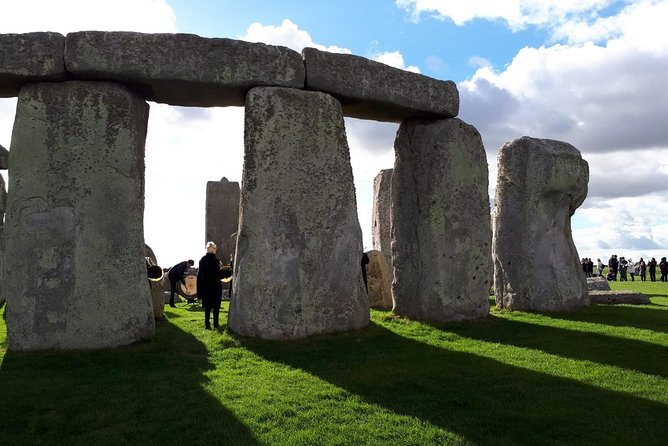
In summer, early or late. Midday sun flattens the sarsens and blows out the sky. The first hour after opening and the last two before closing are when the stones show their surface.
Whatever the season, a wide lens and a low angle from the western side of the circuit does more for a photograph than any amount of waiting. And on a coach day, walking out rather than riding the shuttle gives you the approach shot nobody on the bus gets.
Summer: long days, and a plain with no shade
June to August gives you the longest opening, the warmest ground and the greatest chance of a clear sky. It also gives you the fullest coach park and, around the summer solstice, the busiest dates of the year.
What summer buys is the six o’clock closing. It is the only season in which a late-running full-day combination still reaches the monument with time to spare, and the only one where a sunset access slot lands at a civilised hour.
Bring water and a hat. There is no shade on the circuit at all, and the walk from the visitor centre is entirely open.
Autumn and winter: the version most people never see
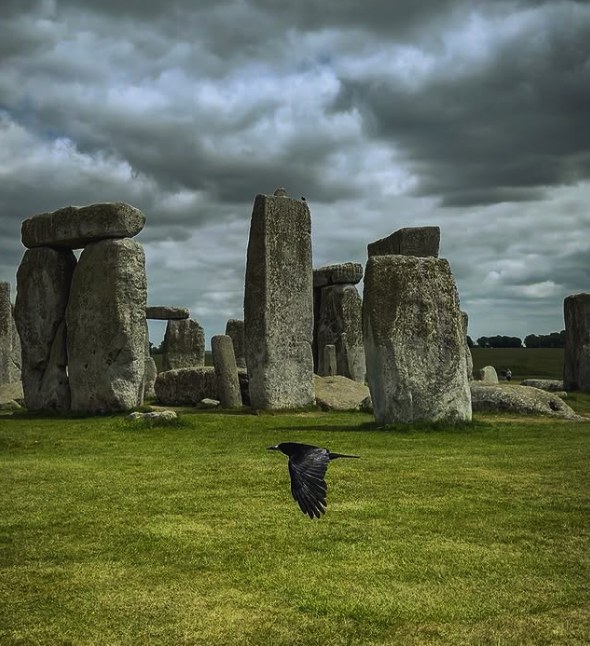
From October the coach park thins out, and by November you can walk the circuit nearly alone on a weekday. The stones against a low grey sky are, to a lot of people, more like the thing they came to see than the same stones under a July haze.
The cost is daylight. Closing moves to five, last entry to three, and a departure that leaves London at eight has to keep to its clock. It also means a full-day combination in December is doing its second stop in the dark.
Winter is the season to take a half day rather than a combination, and to take the morning departure rather than any other.
Spring: the shoulder that behaves
Late April and May are the quiet recommendation. The summer timetable is running, the light lasts until eight in the evening, the downland is green, and the school holidays have not started.
Showers are the trade. They pass quickly on the plain and the ground drains slowly, so the sensible packing is a shell jacket and shoes you do not mind wetting.
It is also the easiest season in which to get the departure you want, three weeks out rather than three months.
What changes around the solstices and equinoxes
Four mornings and evenings a year, English Heritage opens the monument for managed open access and people go in among the stones without a booked slot. Opening hours on those dates are set separately and do not follow the ordinary timetable.
Two things follow for a visitor from London. The dates themselves are the busiest of the year at the site, and no scheduled coach departure covers solstice night — the access windows fall long before the first coach leaves the city.
If that is the trip you want, the dates, the rules and how to reach the monument for them are set out separately. A private car is the only chauffeured way to be there at the hour, and it needs booking a long way ahead.
Which departures do not run all year
Most run year-round, and the pattern is the same one every attraction in Britain follows: full timetables through the summer, thinner ones from November.
One matters enough to name. The Premium Tours day that pairs Stone Circle Access with Bath and Lacock does not operate in October or November. If autumn is your window and standing inside the ring is the point of the trip, the Evan Evans departure is the one that runs.
The seasonal Stonehenge Tour bus from Salisbury station is the other date-sensitive piece, and it matters if you were planning to travel independently.
How far ahead to book, by season
- November to February: a week is usually plenty.
- March to May: two to three weeks for the departure you want.
- June to August: a month, and longer for a Saturday.
- Any Stone Circle Access date: months, and as early as you can name the day.
- Solstice week: as far ahead as anybody will take the booking.
Every departure refunds in full up to twenty-four hours before it leaves, so booking early costs nothing and buys you the choice. Which departure to hold is the next question, and it turns on how long you want at the stones.
Frequently asked questions
What is the best month to visit Stonehenge?
Late April to early June, or the second half of September. All three sit inside or close to the long opening season, give you light that lasts into the evening, and avoid the coach volume of July and August.
What time of day is best at Stonehenge?
Early morning for quiet, and the last two hours of a summer afternoon for light. Coach parties from London arrive in two waves, so a half-day departure reaches the site before the full-day combinations do.
Is Stonehenge worth visiting in winter?
For a lot of visitors it is the better version. The coach park thins from October and on a November weekday you can walk the circuit nearly alone, with low sun on the sarsens all day. The trade is daylight: closing moves to 5pm and last entry to 3pm.
Does Stonehenge close in bad weather?
No. It is an open field and every departure runs in the rain. Only Stone Circle Access can be curtailed in genuinely wild conditions, and a guided visit beyond the walkway takes its place. Wind, not rain, is what visitors underestimate.
How busy is Stonehenge in summer?
July and August are the heaviest months, then June. The crowd shows in the shuttle queue rather than at the stones, because the circuit spreads people out. Walking the fields instead of waiting for the shuttle is the fix.
Tours that fit this trip
Picked for what this guide covers, not for what sells.